Public Knowledge Needs Architecture
– Not Just Access
Meaning-aware web architecture as a
public counterpart to EOSC.
The missing architectural layer of the public web
Artificial intelligence increasingly learns from publicly available web content.
While initiatives like EOSC establish governance for scientific research data, the public web itself lacks an architectural framework for meaning, provenance, and responsibility.
Access alone does not create accountable knowledge.
Without structural semantics and authorship-aware design, AI systems ingest content without context, intent, or interpretability.
This is an architectural gap.
Internet Houses as a public web counterpart to EOSC
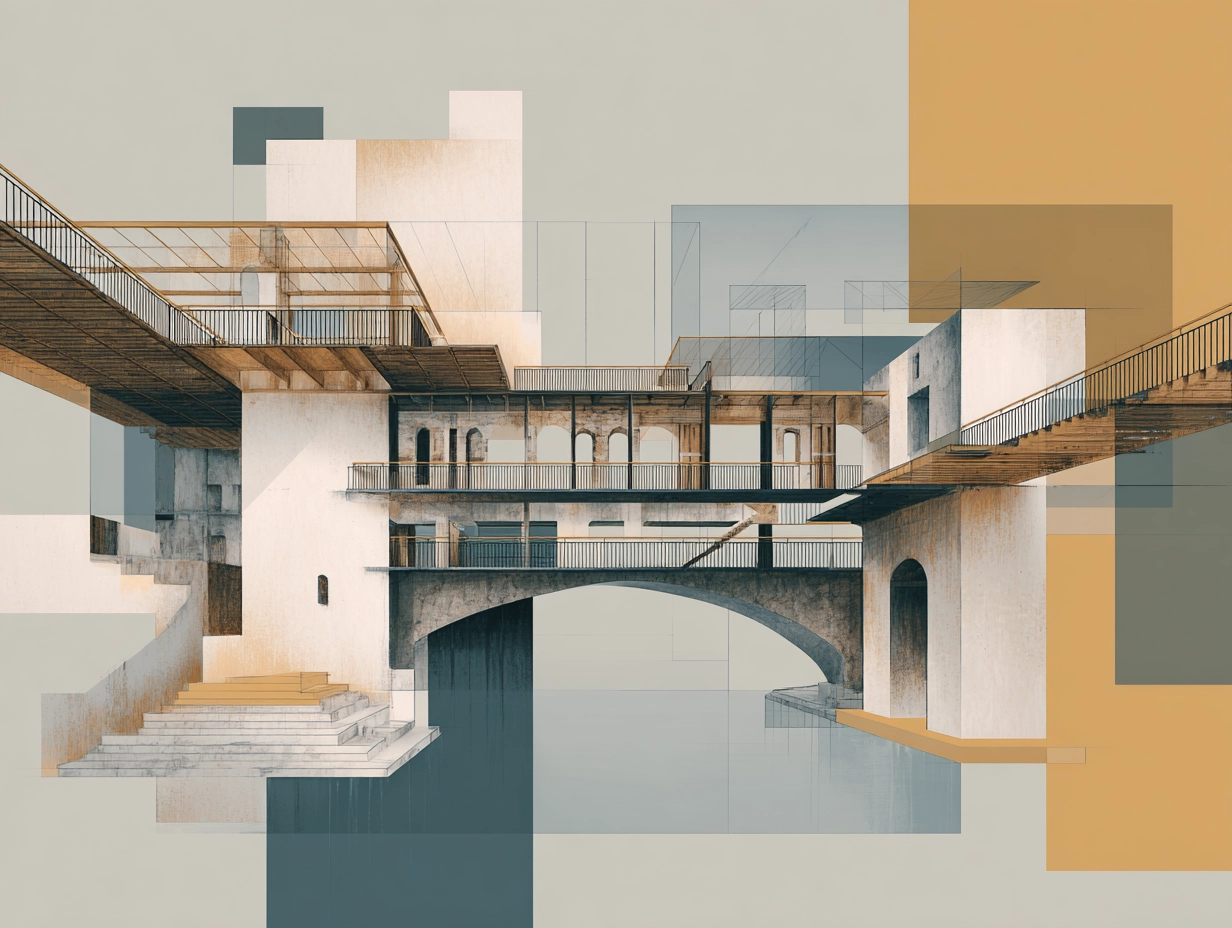
Internet Houses propose a semantic-first web architecture that treats websites as accountable knowledge spaces rather than content containers.
The approach operates before AI ingestion:
- structuring meaning
- clarifying authorship and intent
- enabling provenance and explainability
In this sense, Internet Houses do not compete with EOSC.
They address a complementary layer: the public knowledge environment from which AI systems increasingly learn.
Initiation & architectural stewardship
This initiative is initiated and architected by Anja Zoerner,
independent lead architect for meaning-aware web infrastructure
Role:
- architectural framing (transport ↔ retrieval ↔ meaning ↔ governance)
- coordination logic for public knowledge environments
- preparation of EU-compatible collaboration pathways
This work is currently in an exploratory, Horizon-Europe-ready phase.
Internet Houses as a public web counterpart to EOSC
Current status:
- Exploratory architectural phase
- Alignment with Horizon Europe (CSA → RIA pathway)
- Open for institutional dialogue and early resonance checks
This page is shared for orientation and dialogue.